


Choosing the right therapy room is one of the most important decisions you will make when building or developing your practice. The space you work in affects how clients feel, how sessions unfold, and how your work is experienced over time.
If you are currently exploring therapy room hire in Christchurch and Highcliffe, it is worth understanding what separates a suitable space from one that may limit your practice.
Why the Right Therapy Room Matters
A therapy room is not just a place to meet clients. It becomes part of the therapeutic process.
Clients often begin forming impressions before the session has even started. The environment can influence whether they feel safe, whether they open up, and whether they return.
A well-chosen space can:
- Support a sense of safety and trust
- Help clients feel comfortable more quickly
- Create consistency between sessions
- Reflect your professionalism
Over time, this consistency plays a role in how your practice is perceived.
First Impressions and Client Experience
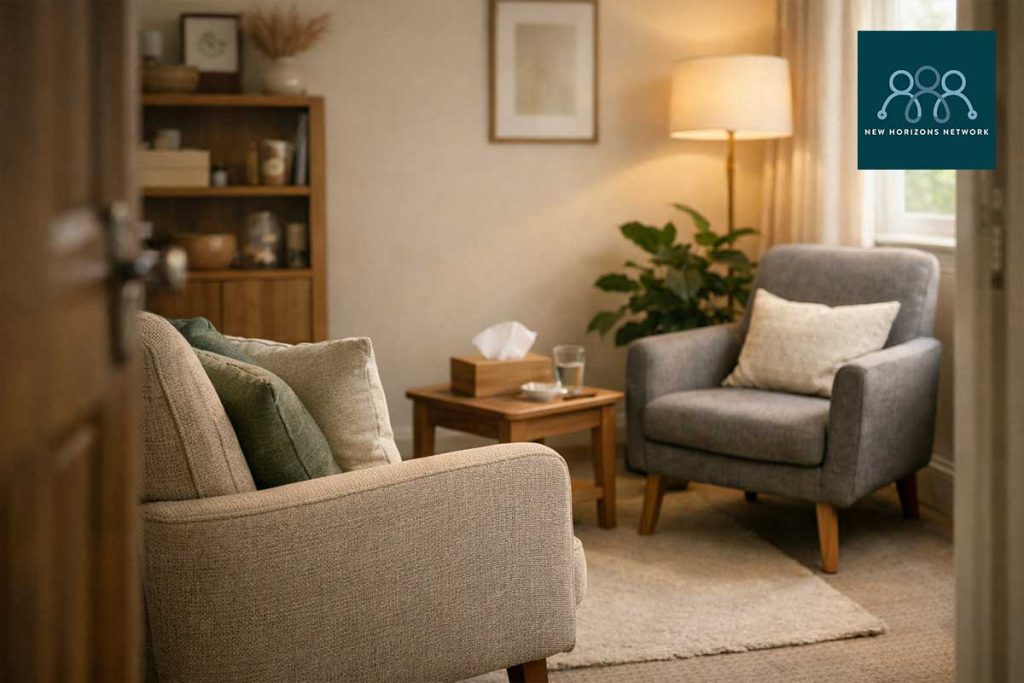
When a client arrives, they are often already feeling vulnerable. The setting they walk into can either ease that tension or increase it.
Consider what a client notices:
- Is the space calm or busy
- Does it feel private
- Is it clean and well cared for
- Does it feel welcoming without being overwhelming
These small details shape the experience before any conversation begins. A well-prepared room allows the focus to remain on the session rather than the surroundings.
Location and Accessibility
Location is one of the most practical but also most important factors.
You may want to consider:
- How easy it is for clients to travel to
- Availability of parking
- Public transport options
- Whether the setting feels discreet
For many therapists, a location just outside a busy centre offers the best balance. For example, therapy room hire in Highcliffe can provide accessibility from Christchurch and surrounding areas while offering a quieter environment than central locations.
Privacy and Confidentiality
Confidentiality is a core part of ethical therapeutic practice. The room you choose must support this fully.
Look for:
- Sound privacy between rooms
- A layout that avoids clients crossing paths unnecessarily
- A waiting area that does not feel exposed
Clients need to feel confident that they can speak freely. Even small concerns about privacy can affect how open someone feels in a session.
The Importance of a Calm and Neutral Space
The physical environment should support the work without drawing attention to itself.
A suitable therapy room should include:
- Comfortable and appropriate seating
- Neutral décor that does not distract
- Good lighting that feels natural and soft
- A temperature that remains comfortable
The goal is not to create a perfect space, but a consistent and steady one where clients can focus on themselves.
Flexibility as Your Practice Grows
Your needs are likely to change over time. When starting out, flexibility can be just as important as the room itself.
You may want to consider:
- Whether you can book regular weekly slots
- If there is flexibility to increase your hours
- How easy it is to adapt your schedule
If you are building your client base, having a reliable but flexible arrangement can reduce pressure and allow your practice to develop naturally.
Therapists working across a wider area may also benefit from options such as therapy room hire near Bournemouth, which allows access to a larger client base without committing to a busy central setting.
Working from Home vs Hiring a Therapy Room
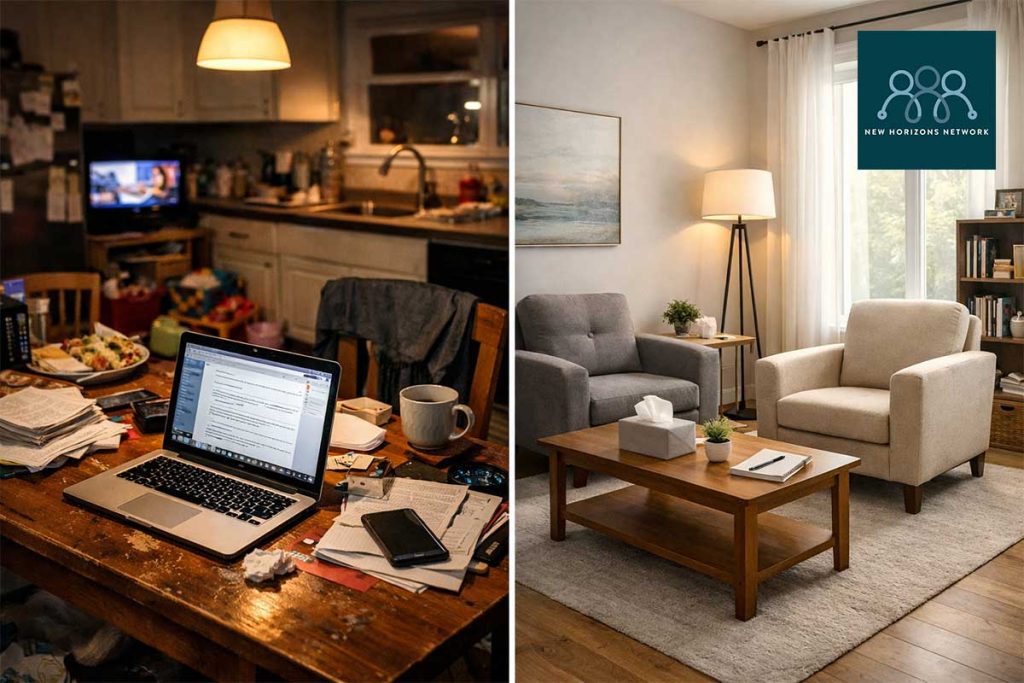
Many therapists begin by working from home, but this can present challenges.
Hiring a dedicated therapy room can:
- Create a clear boundary between personal and professional life
- Offer clients a neutral and confidential setting
- Support a more consistent routine
- Reduce distractions during sessions
For some clients, attending therapy in a professional space can also feel more appropriate and reassuring.
Matching the Room to Your Type of Work
Different types of therapy may require slightly different environments.
For example:
- Individual therapy often benefits from a quiet, contained space
- Couples work may require more room and balanced seating
- Trauma-focused work may benefit from a particularly calm and stable environment
It is important to choose a space that aligns with how you work, rather than trying to adapt your work to fit the room.
Common Mistakes to Avoid
When choosing a therapy room, it can be easy to focus on convenience alone. However, there are a few common mistakes to be aware of:
Choosing based on price alone
A lower cost room may not provide the privacy or environment needed for effective work.
Overlooking privacy
Even a well-presented space can be unsuitable if confidentiality is not fully supported.
Ignoring client experience
The room should feel appropriate from the client’s perspective, not just practical for the therapist.
Committing too quickly
It is often helpful to view a space and take time to decide before making a regular commitment.
Questions to Ask Before Hiring a Therapy Room
Before committing to a space, it can be useful to ask:
- Is the room consistently available at the times I need
- How is confidentiality supported within the building
- What facilities are included
- Is there flexibility if my schedule changes
- Can I view the space before booking
If you are unsure what to look for, you can contact us to discuss what may suit your practice.
Building a Professional and Sustainable Practice
The space you work in contributes to how your practice develops over time.
A consistent, well-chosen environment can:
- Help clients feel more secure
- Support long term therapeutic relationships
- Strengthen your professional identity
- Encourage client retention
These factors are often overlooked early on, but they become increasingly important as your practice grows.
Practical Checklist Before You Decide
Before choosing a therapy room, it can help to review the following:
- Location is accessible and discreet
- Room feels calm, clean, and professional
- Confidentiality is clearly supported
- Booking options match your needs
- The environment suits your type of work
Taking a structured approach can help you make a more confident decision.
Frequently Asked Questions
How do I know if a therapy room is right for me
The best way is to visit the space and notice how it feels. Consider both your experience and how a client might experience it.
Should I choose a central location
Not always. A quieter location can often provide a better environment for therapeutic work.
Is it better to have a regular booking
For many therapists, regular bookings help create consistency and support ongoing client work.
Can I change rooms later
This depends on availability, so choosing a flexible provider can be helpful.
Choosing a Space That Supports Your Work
The right therapy room allows you to focus on what matters most, the work you do with your clients. It supports safety, consistency, and professionalism without becoming a distraction.
If you are considering your options and want to explore suitable spaces, you can get in touch to discuss availability and find a setup that works for your practice.


Leave a Reply